ROOTS
Build communities rooted in wellness.
A model for regenerative wellness communities that serve people, place and return, long after the last lot is sold.
Watch the film
The ROOTS model for conscious community real estate.
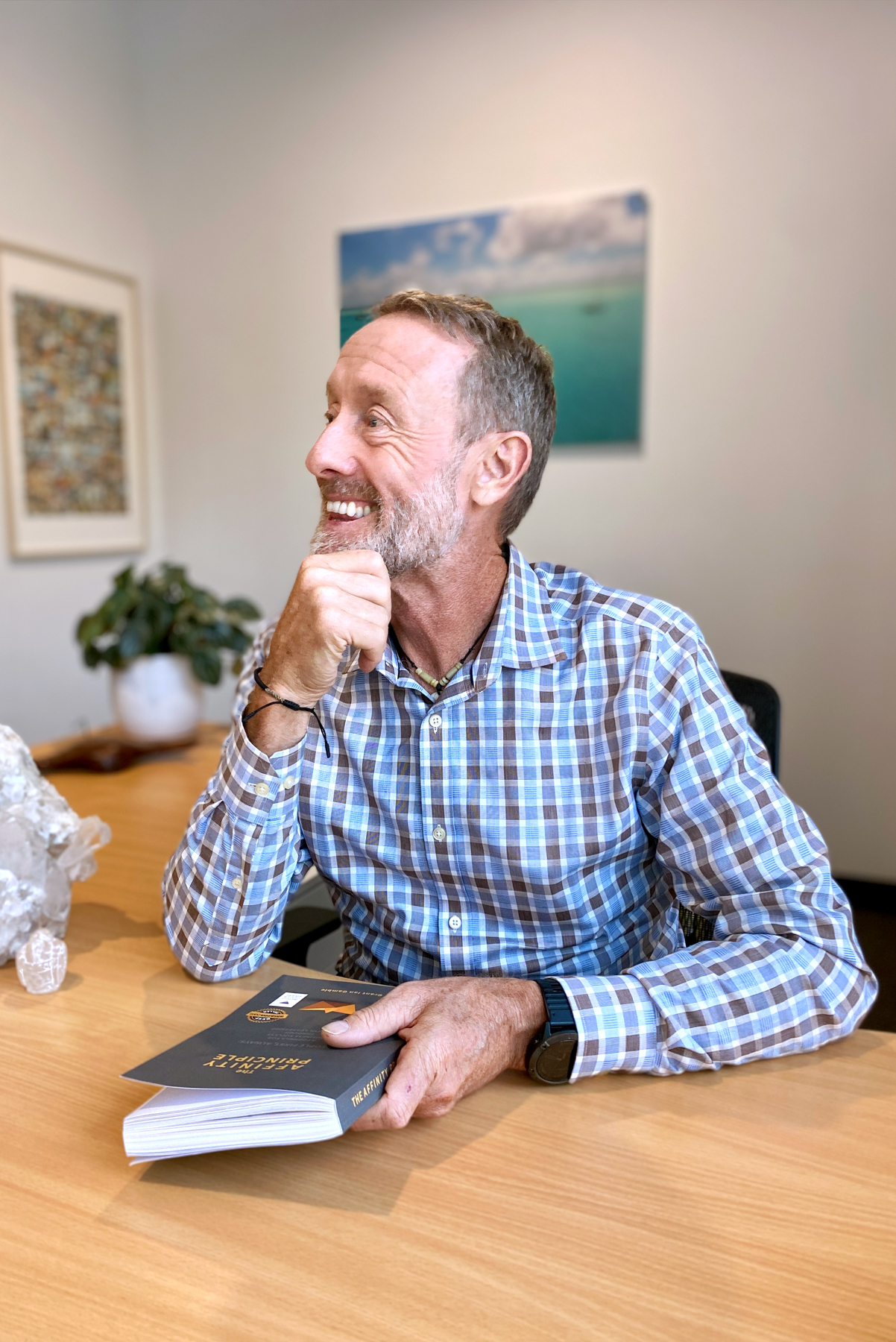
A note from Grant
I've opened wellness communities and stayed long enough to see what happens after the ribbon is cut. The places that thrive are the ones where wellness was designed into the land, the homes, the programs and the business model from the very start. ROOTS is everything I've learned about doing that, gathered over 40 years into one model.
Grant
Why it matters
Wellness real estate is the fastest-growing part of the global wellness economy. Buyers are paying for it, and many developments are marketing it without actually building it.
global wellness real estate market in 2024, up from USD 225B in 2019
forecast by 2029
price premium for wellness-focused homes at the middle and upper ends of the market
Australian market in 2024, the fourth largest in the world
The Global Wellness Institute calls rebranding a development as a wellness community on the strength of a few healthy features "well-washing". ROOTS is built to be the opposite.
Source: Global Wellness Institute, Build Well to Live Well: The Future (2025).
Four pillars
Intergenerational neighbourhoods with shared spaces, a real village centre and residents who help shape the place.
Integrated connection, wellcare, movement, nourishing food, nature and rest, designed into daily life rather than added as an amenity.
Net-positive energy, careful water use, minimal waste, land regeneration and a community that can stand on its own in hard times, in a climate event, or in a crisis.
Lifelong learning, shared knowledge and a place for people to co-create what comes next.
Sixteen covenants
From site selection to the day community members move in, each choice is tested against sixteen covenants, grouped into five themes.
Active, social lives; integrated wellcare; places for all ages and abilities
Local identity, equitable local development, lifelong learning
Restoring land, careful water use, regenerative local food
Materials, movement, waste and energy designed to need less, reuse more and run on renewables
Sharing ideas, and technology that supports community and environmental health
What a ROOTS community can include
Every site is different, so every ROOTS community is too.
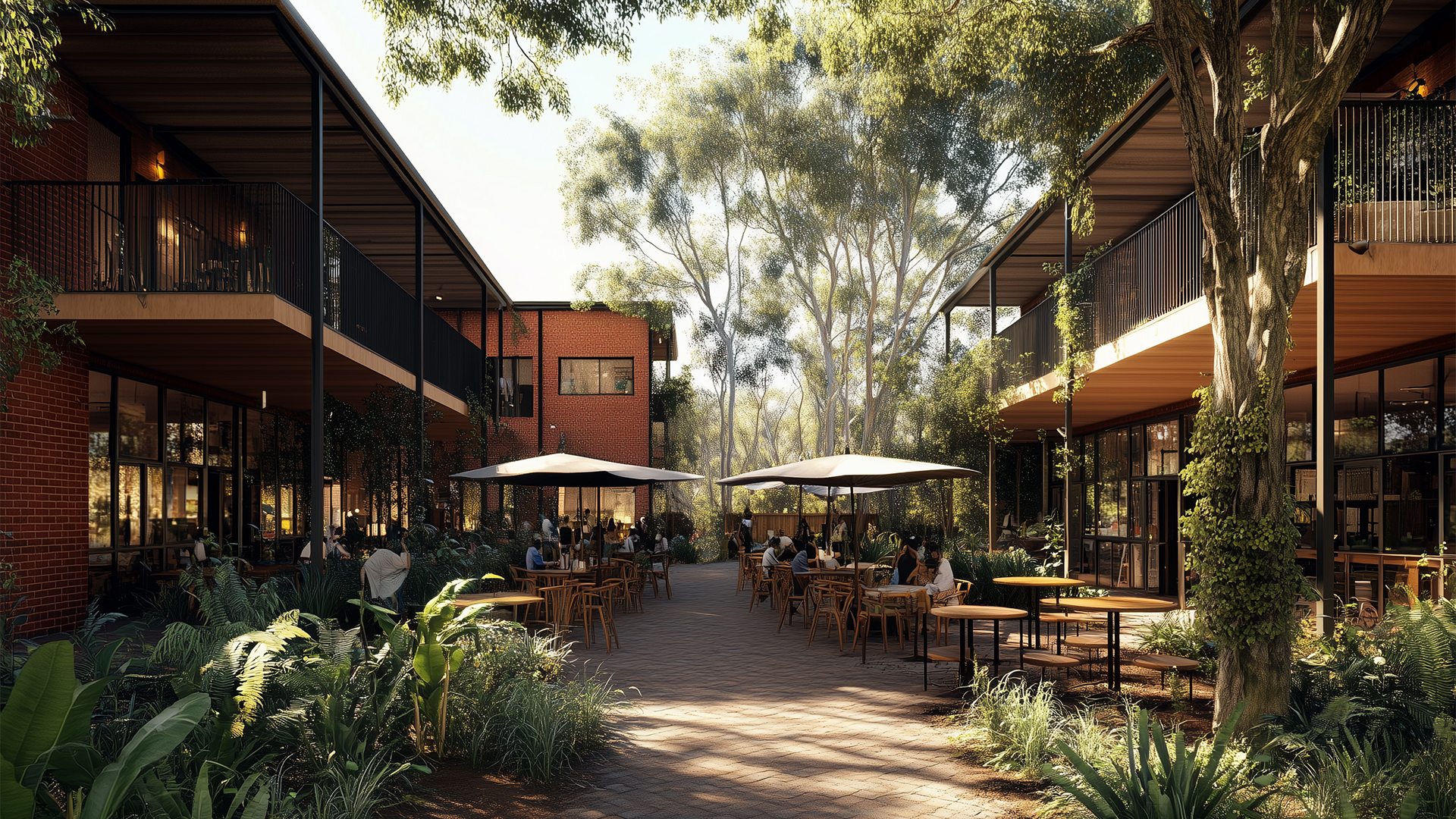
Concept image, Heartfield Village centre.
How ROOTS works
01
Is this land right for a wellness community, and what can it sustain?
02
The village, homes, amenities and infrastructure, staged so each phase can stand on its own.
03
What people will actually do here every day, and who will run it.
04
The financial model, the operating model and the investor story, built together.
05
Engaging future residents and partners early, with Stella Jackson Creative.
06
Leadership through launch and beyond, so the community lives up to its promise.
Two kinds of value
ROOTS measures two kinds of value. Return on investment is the financial performance of the property and the businesses within it. Return on wellness is the health, connection and belonging of the people who live there, and the health of the land.
The model works as both a property company and an operating company. Income can come from real estate sales and rentals, memberships and community levies, on-site wellness and hospitality businesses, retreats, events and learning programs.
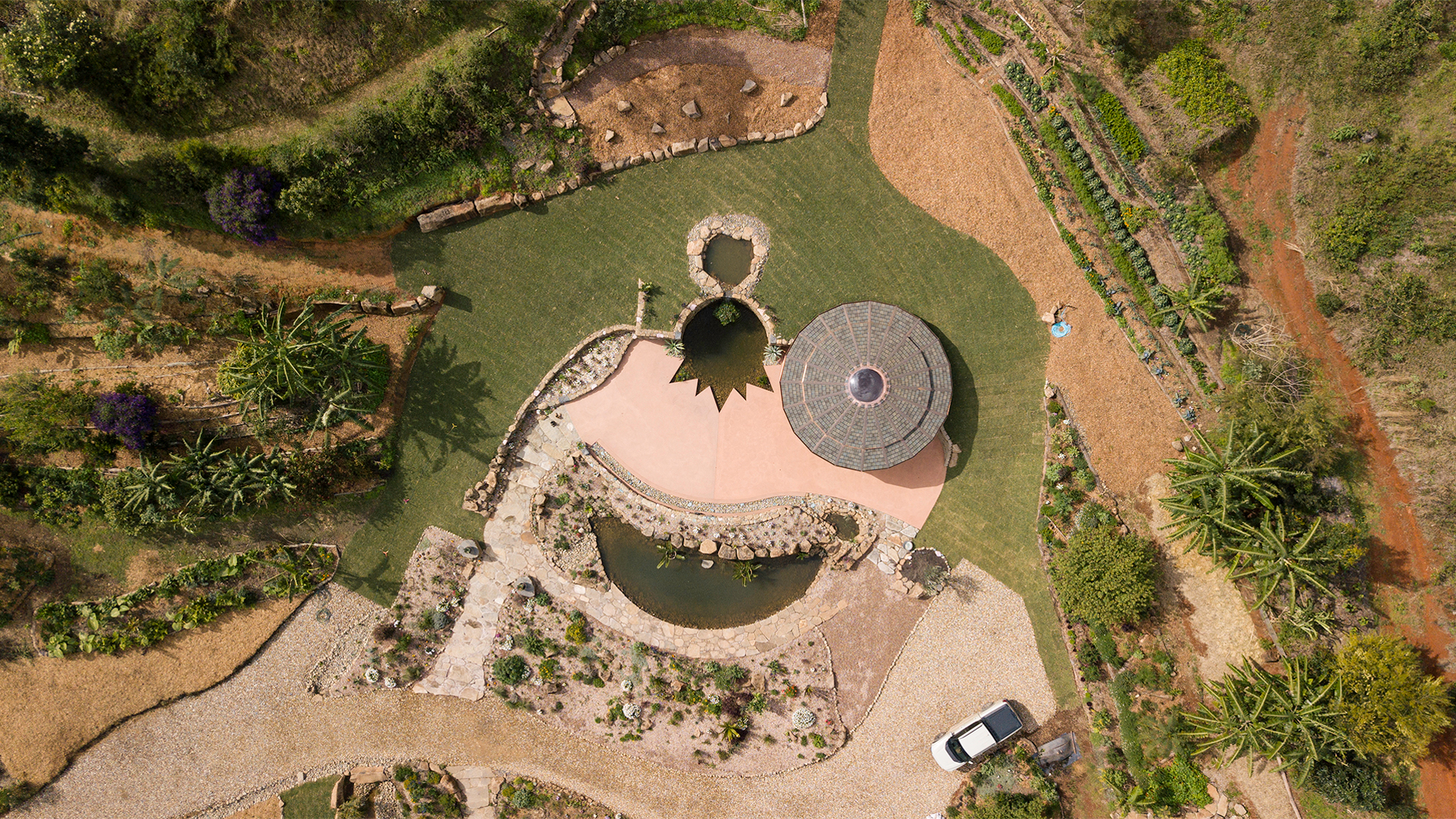
Flagship
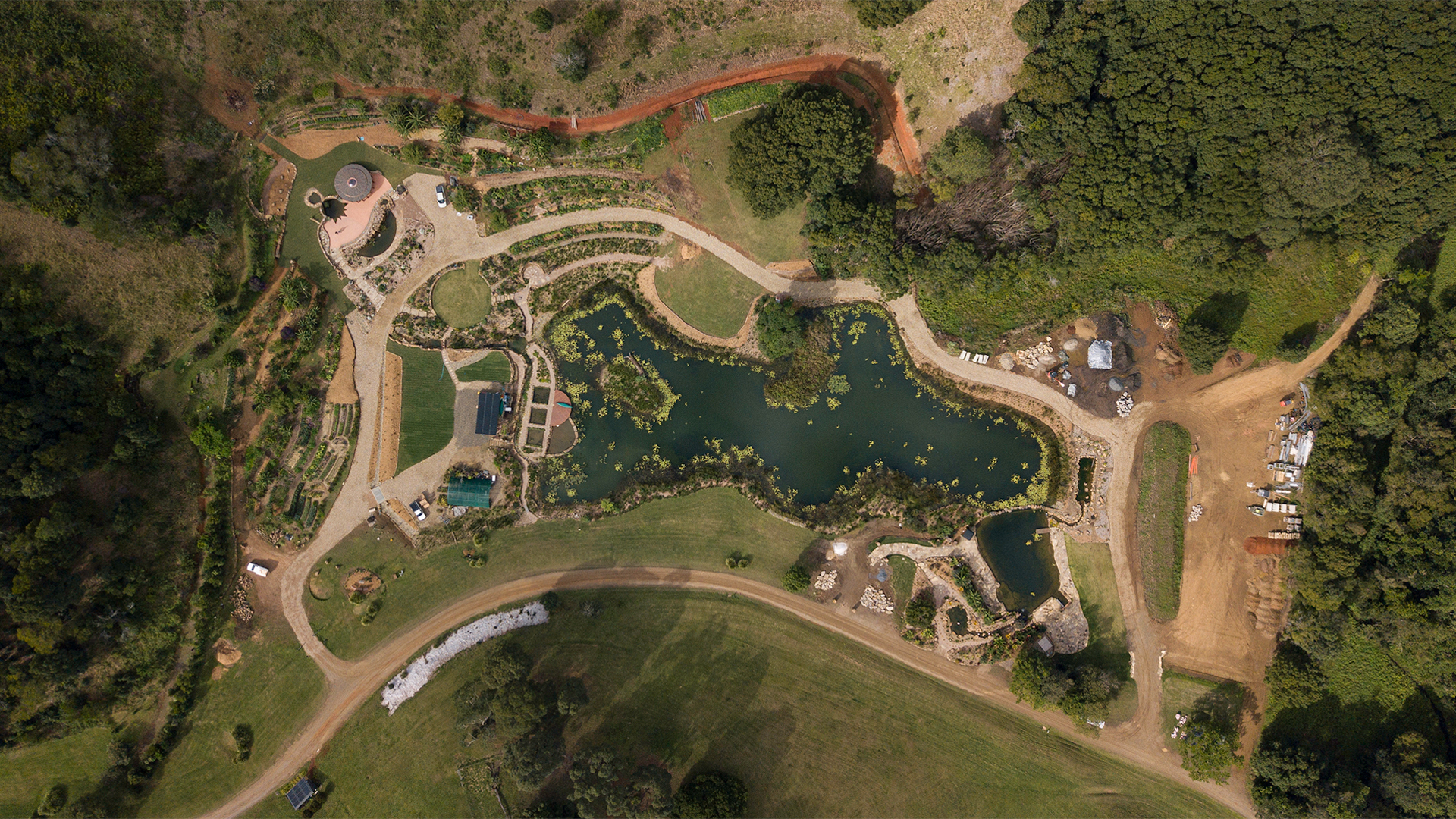
A 300-acre regenerative wellness community in the Byron Bay hinterland, and the first full application of ROOTS. Five places, one village, sixteen covenants. Regeneration work has run across the land for around 20 years.
Who ROOTS is for
Licensing ROOTS
For developers with their own teams, the ROOTS regenerative wellness real estate community model can be licensed. Grant works with you to apply the model and its sixteen covenants to your site, with as much or as little advisory support as the project needs.
Contact
A new community, a company ready to grow, or a team that needs steady leadership. Start with a conversation.